Deep vein thrombosis (DVT) is a condition in which a blood clot forms inside a deep vein, most commonly in the leg. Although it may seem like a localized problem, DVT can lead to a serious complication called pulmonary embolism. Recognizing the symptoms early and starting treatment promptly are essential to reducing the risk of life-threatening complications.
In this article, you’ll learn what deep vein thrombosis is, its most common symptoms, who is at higher risk, how it is diagnosed and treated, and what you can do to help prevent it.
This content is for informational purposes only and does not replace personalized advice from a qualified healthcare professional.
Video: Understanding Deep Vein Thrombosis
Open the educational video on YouTube
What Is Deep Vein Thrombosis?
Deep vein thrombosis occurs when a blood clot develops inside a deep vein, usually in the lower leg or thigh. Less commonly, DVT can also affect the veins in the arm.
When a clot partially or completely blocks blood flow, blood backs up inside the vein. This can cause pain, swelling, and discomfort in the affected limb.
The greatest danger occurs if part of the clot breaks loose and travels through the bloodstream to the lungs. This can block blood flow in the lungs, causing a pulmonary embolism, which is a medical emergency.
Why Is Deep Vein Thrombosis Dangerous?
Your circulatory system carries oxygen and nutrients throughout the body.
When a blood clot blocks a deep vein, blood cannot flow normally, leading to swelling, pain, and inflammation.
In some cases, part of the clot can travel to the lungs and block one or more pulmonary arteries. This condition, known as pulmonary embolism, can interfere with oxygen delivery and may become life-threatening without immediate medical care.
Symptoms of Deep Vein Thrombosis
DVT usually affects only one leg, although symptoms vary from person to person.
Common symptoms include:
- Swelling in one leg.
- Pain or tenderness, especially in the calf.
- Warmth over the affected area.
- Red or discolored skin.
- A feeling of heaviness in the leg.
Some people have mild symptoms or no symptoms at all, making DVT more difficult to recognize.
Symptoms of Pulmonary Embolism
If a blood clot travels to the lungs, symptoms may include:
- Sudden shortness of breath.
- Rapid breathing.
- Sharp chest pain that worsens with deep breathing.
- Cough, sometimes with blood.
- Rapid heartbeat.
- Dizziness or fainting.
Seek emergency medical attention immediately if these symptoms develop suddenly.
Who Is at Risk for Deep Vein Thrombosis?
Several factors increase the likelihood of developing DVT, including:
- Recent surgery.
- Hospitalization.
- Prolonged bed rest.
- Long-distance travel by plane or car.
- Older age.
- Obesity.
- Smoking.
- Pregnancy and the postpartum period.
- Birth control pills or hormone replacement therapy.
- Cancer.
- A personal or family history of blood clots.
- Inherited clotting disorders.
The more risk factors you have, the greater your chances of developing deep vein thrombosis.
How Is DVT Diagnosed?
Diagnosis begins with a medical history and physical examination.
If DVT is suspected, your healthcare provider may recommend:
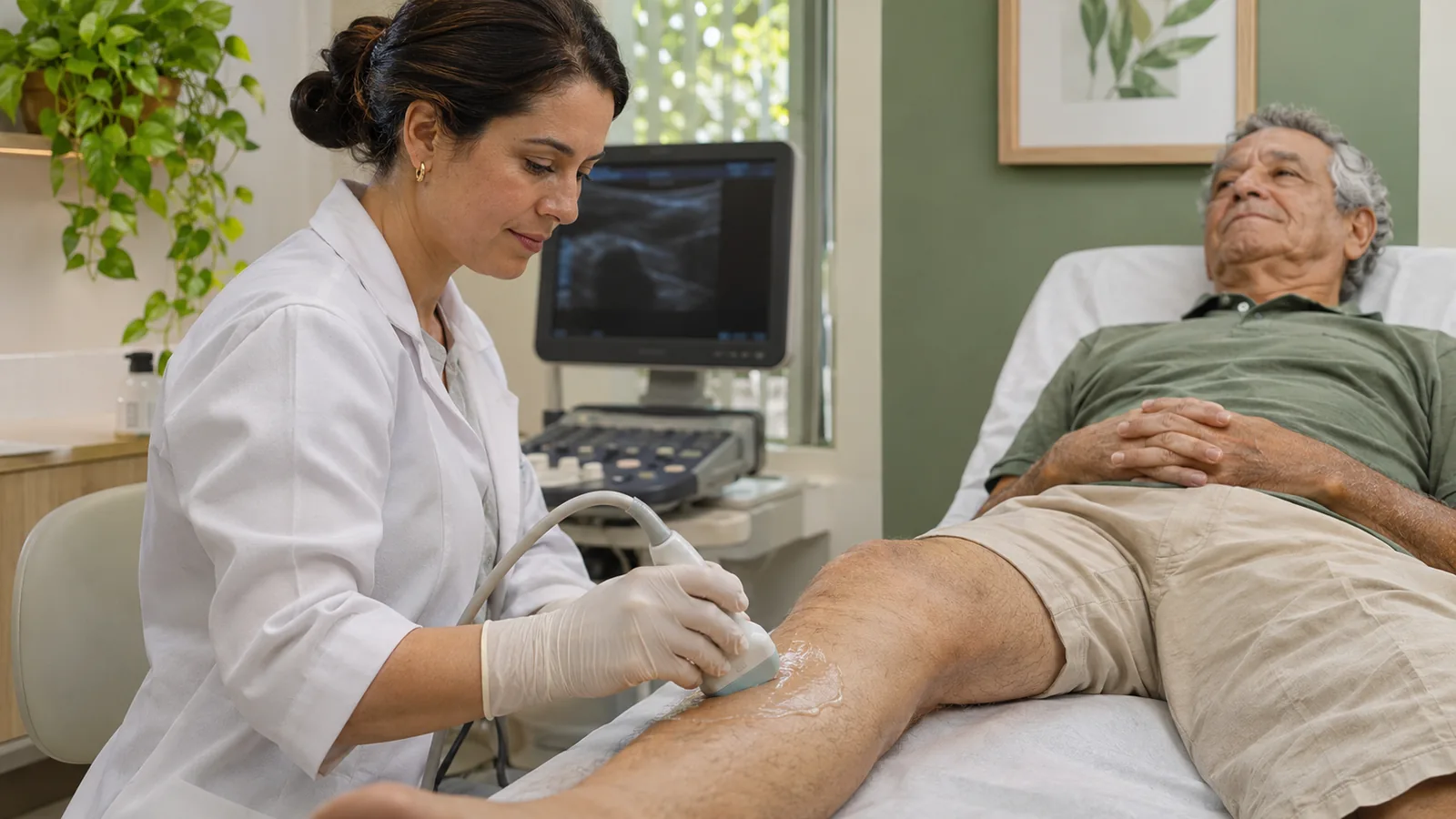
- Duplex ultrasound.
- D-dimer blood test, when appropriate.
- Additional imaging tests if necessary.
Early diagnosis helps prevent serious complications and improves treatment outcomes.
How Is Deep Vein Thrombosis Treated?
Treatment aims to prevent the clot from growing, reduce the risk of new clots, and prevent pulmonary embolism.
Blood Thinners (Anticoagulants)
Anticoagulants, commonly known as blood thinners, do not dissolve existing blood clots.
Instead, they prevent the clot from growing, allowing your body’s natural processes to gradually break it down.
Most people need anticoagulant therapy for at least three months, although treatment duration depends on the underlying cause and the risk of recurrence.
Always take your medication exactly as prescribed.
Other Treatment Options
In selected cases, your doctor may recommend:
- Clot-dissolving medications (thrombolytics).
- Surgical removal of the clot (thrombectomy).
- Placement of an inferior vena cava (IVC) filter when anticoagulants cannot be used safely.
These treatments are generally reserved for specific situations.
Living With Deep Vein Thrombosis
If you are taking anticoagulants, it is important to:
- Never stop the medication without medical advice.
- Take each dose exactly as prescribed.
- Inform your healthcare provider about all medications and supplements you use.
- Watch for signs of abnormal bleeding.
- Attend all follow-up appointments.
Some anticoagulants require periodic blood tests to ensure the correct dose.
How to Prevent Deep Vein Thrombosis
Simple lifestyle changes can lower your risk of developing blood clots.
During Long Trips
- Stand up and walk every one to two hours.
- Move your feet and ankles regularly.
- Avoid sitting in the same position for long periods.
- Wear comfortable clothing.
- Stay well hydrated.
Your healthcare provider may recommend compression stockings if appropriate.
Everyday Prevention
Healthy habits that may reduce your risk include:
- Exercising regularly.
- Maintaining a healthy weight.
- Avoiding smoking.
- Taking breaks from prolonged sitting.
- Following your doctor’s instructions after surgery or hospitalization.
Possible Complications
Even after successful treatment, some people develop post-thrombotic syndrome.
This condition may cause:
- Persistent leg pain.
- Chronic swelling.
- A feeling of heaviness.
- Skin changes.
- Venous ulcers in severe cases.
Regular follow-up can help manage these long-term complications.
When Should You See a Doctor?
Seek medical evaluation promptly if you develop:
- Sudden swelling in one leg.
- Severe calf pain.
- Redness and warmth without an obvious cause.
Call emergency medical services immediately if you experience:
- Sudden shortness of breath.
- Severe chest pain.
- Coughing up blood.
- Fainting or feeling like you may faint.
These symptoms may indicate a pulmonary embolism.
Symptoms now, or a prevention question?
The CDC distinguishes DVT, which needs prompt assessment, from pulmonary embolism, which requires immediate attention. Breathlessness, chest pain or fainting should not wait for a routine appointment. Symptoms alone cannot confirm the diagnosis.
For a prevention or follow-up visit, bring your medicine list, previous clot history, recent surgery or admissions and travel plans. Ask whom to contact about bleeding or prescribed anticoagulants. Read also about varicose veins, which should not be confused with a DVT diagnosis.
Conclusion
Deep vein thrombosis is a potentially serious condition, but early diagnosis and appropriate treatment greatly reduce the risk of complications.
If you notice swelling, pain, and redness in one leg, particularly after surgery, prolonged bed rest, or long-distance travel, seek medical evaluation as soon as possible.