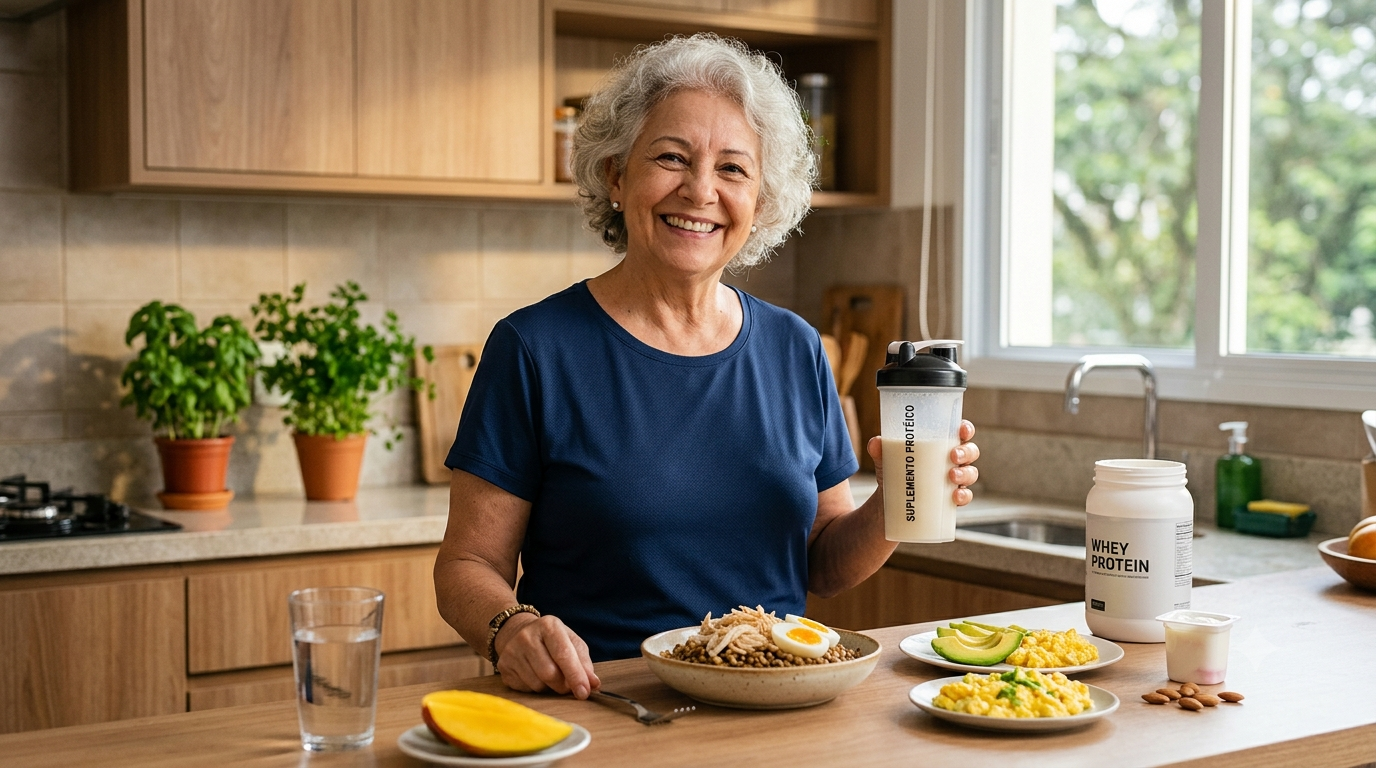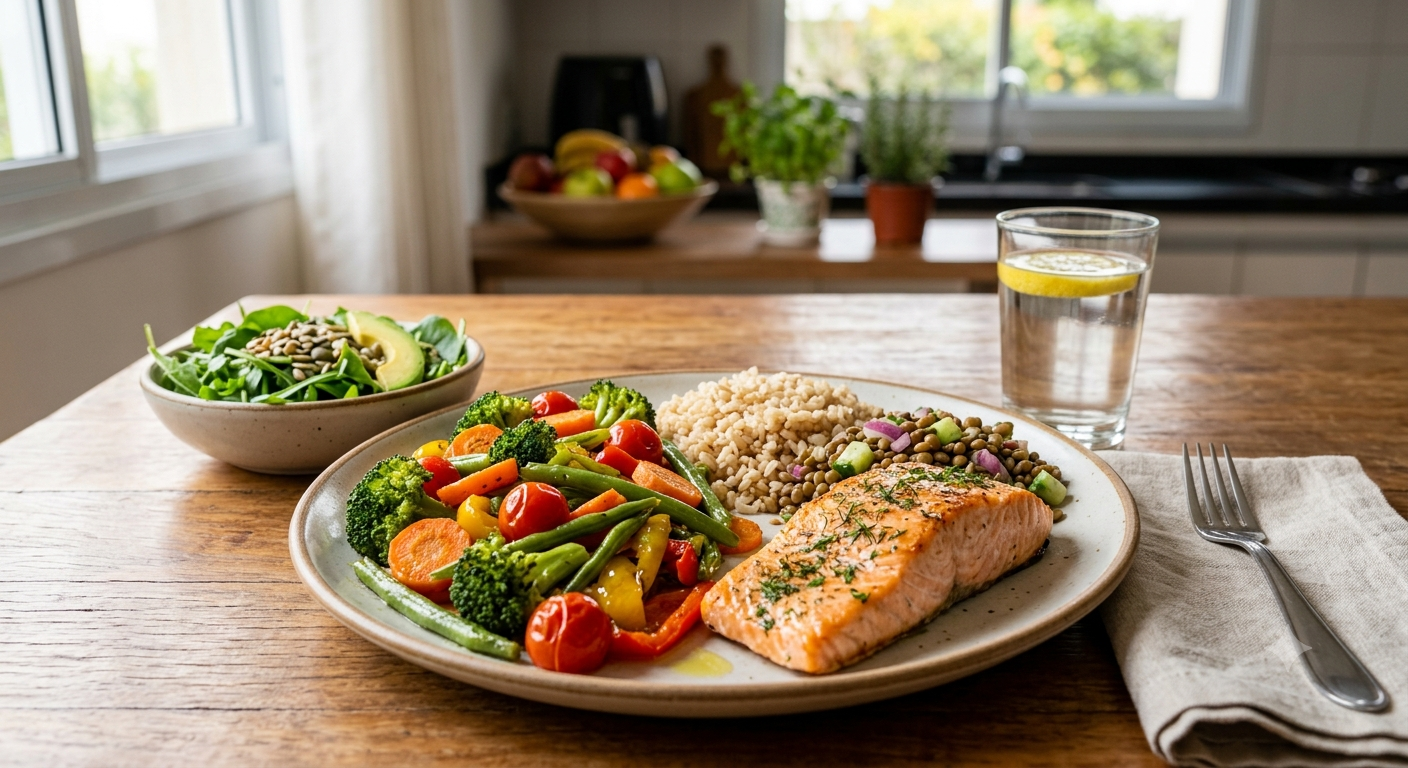
As people get older, changes in taste and smell can make food less enjoyable. As a result, some older adults may start preferring foods that are sweeter, saltier, fattier, or more intensely flavored.
This does not mean that older adults simply “lack willpower.” Aging can change the way food is perceived and how rewarding certain foods feel.
At the same time, eating large amounts of ultra-processed and hyper-palatable foods can make it harder to maintain a balanced diet. Recent research suggests that higher consumption of ultra-processed foods in adults over 60 is associated with several unfavorable health outcomes, although the evidence in older adults is still limited.
The good news is that it is possible to make healthy foods more appealing without relying on excessive amounts of sugar, salt, or unhealthy fats.
This content is for informational purposes only and does not replace personalized advice from a qualified healthcare professional.
Why do older adults prefer hyper-palatable foods?
Hyper-palatable foods are products that combine characteristics such as high levels of fat, sugar, salt, or refined carbohydrates in ways that can make them particularly appealing and easy to eat.
Examples include:
- cookies and sweet biscuits;
- cakes and pastries;
- potato chips and other salty snacks;
- candy and chocolate;
- sweetened breakfast cereals;
- soft drinks;
- fast food;
- highly processed ready-to-eat meals.
These foods can be particularly attractive because they provide strong sensory stimulation and are often soft, easy to chew, and convenient.
However, food preferences in older adults are influenced by many factors, including sensory changes, appetite, habits, health conditions, social circumstances, and the way food is prepared.
Does aging change taste and smell?
Yes.
Taste and smell can change with aging. These changes vary considerably from person to person and can be influenced by medications, oral health, chronic diseases, smoking, infections, and other factors.
A reduction in the ability to perceive flavors may make familiar foods seem less flavorful.
Research in older adults has found that poorer taste and smell are associated with poorer appetite, lower intake of some nutrients, and lower overall dietary quality.
This can create an important problem: a person may begin choosing foods based on how intensely flavored they are rather than on their nutritional value.
Why might sweets and salty foods become more attractive?
When the sensory experience of food becomes weaker, some people may seek stronger flavors.
For example, a meal that previously tasted flavorful may seem bland. Adding more sugar, salt, sauces, or highly processed ingredients can make the food more noticeable and enjoyable.
This does not happen to everyone, and aging does not automatically cause a preference for unhealthy foods.
Food preferences are influenced by a combination of sensory perception, previous eating habits, appetite, health, and individual differences.
Does the brain’s reward system change with age?
The brain’s reward system also changes during aging.
Research has demonstrated age-related changes in the neural systems involved in reward processing, including dopaminergic pathways and frontostriatal networks.
These changes may influence how people respond to pleasurable experiences, including food.
However, this does not mean that older adults inevitably lose control over eating or become more dependent on highly palatable foods.
Food choices remain influenced by many factors, including habits, availability, social environment, appetite, and sensory perception.
Why are ultra-processed foods a concern?
Not every processed food is unhealthy. Processing can make foods safer, more convenient, or easier to consume.
The concern is particularly related to diets containing large amounts of ultra-processed foods.
These products often have combinations of refined carbohydrates, fats, salt, flavorings, sweeteners, and other additives that can make them highly appealing.
A 2025 systematic review focusing specifically on adults aged 60 and older found that higher ultra-processed food consumption was associated in observational studies with outcomes such as frailty, dyslipidemia, abdominal obesity, decline in renal function, and poorer cognitive performance. However, the authors emphasized that the number of studies in older adults remains limited.
Therefore, these findings show associations and should not be interpreted as proof that ultra-processed foods directly cause these conditions.
Is it necessary to completely stop eating hyper-palatable foods?
Usually, no.
For most people, completely eliminating favorite foods is unnecessary and may make dietary changes difficult to maintain.
A more realistic strategy is to reduce the frequency and quantity of highly processed foods while increasing the availability of nutritious foods that are enjoyable.
The goal is not to create a “perfect diet.”
The goal is to build an eating pattern that is nutritious, enjoyable, affordable, and sustainable.
How can healthy foods become more enjoyable?
One of the most useful strategies is to improve the sensory characteristics of healthy meals.
Instead of simply telling an older adult to “eat healthier,” it can be more effective to make healthy food taste and feel better.
Useful strategies include:
- using herbs and spices to increase flavor;
- adding garlic, onion, ginger, lemon, or vinegar;
- using small amounts of healthy fats such as olive oil;
- incorporating naturally flavorful foods;
- varying textures and colors;
- serving food at an appropriate temperature;
- using umami-rich ingredients;
- improving the presentation of meals;
- varying recipes to prevent dietary monotony.
Research on sensory enhancement suggests that improving the sensory quality and variety of meals can increase meal enjoyment and food intake in older adults.
Can umami help older adults eat better?
Possibly.
Umami is the savory taste found naturally in foods such as tomatoes, mushrooms, aged cheeses, fish, meat, and some fermented foods.
Enhancing umami can make meals more flavorful without relying exclusively on large amounts of salt.
This can be particularly useful when an older person complains that food has become “tasteless.”
However, sensory strategies should be individualized, especially for people with specific medical conditions or dietary restrictions.
What should an older adult eat instead of ultra-processed snacks?
Rather than focusing only on what should be avoided, it is often more useful to identify appealing alternatives.
For example:
Instead of
- Cookie
- Potato chips
- Sugary breakfast cereal
- Soft drinks
- Candy
- Processed pastries
- Highly processed ready meals
Try
- Fruit with yogurt or a small portion of nuts
- Roasted chickpeas or unsalted nuts
- Oatmeal with fruit and cinnamon
- Water with lemon or sparkling water
- Fresh fruit or a small portion of dark chocolate
- Homemade oat- or fruit-based option
- Simple meals prepared with vegetables, protein, and whole grains
These substitutions do not have to be perfect.
Even replacing some ultra-processed foods with minimally processed alternatives can improve the overall quality of the diet.
Protein is especially important in older adults
A healthy diet for older adults should not focus only on reducing sugar, salt, or processed foods.
Adequate protein intake is also important for maintaining muscle mass and physical function.
Good sources include:
- eggs;
- fish;
- chicken;
- lean meat;
- milk;
- yogurt;
- cheese;
- beans;
- lentils;
- chickpeas;
- soy products.
For older adults who have a poor appetite, making protein-rich foods more flavorful and convenient can be particularly helpful.
The priority should be to maintain adequate nutritional intake rather than simply restricting foods.
What if an older person has little appetite?
Loss of appetite deserves attention.
Poor taste and smell can contribute to reduced appetite and poorer dietary quality. However, persistent loss of appetite can also be related to medications, depression, dental problems, gastrointestinal disorders, chronic diseases, or other conditions.
If an older adult is losing weight unintentionally, eating very little, becoming weaker, or frequently skipping meals, medical and nutritional assessment is appropriate.
In these situations, simply telling the person to “avoid unhealthy foods” may be counterproductive.
The priority may initially be to restore adequate energy and protein intake while improving the nutritional quality of meals.
What if chewing or swallowing is difficult?
Changes in oral health and the ability to chew can strongly influence food preferences.
Some older adults may avoid nutritious foods such as meat, raw vegetables, or certain fruits because they are difficult to chew.
This can make soft, processed foods more attractive.
Possible alternatives include:
- soft-cooked vegetables;
- shredded or minced meat;
- fish;
- eggs;
- yogurt;
- soft fruits;
- soups with legumes;
- mashed vegetables;
- oatmeal.
If there is persistent difficulty chewing or swallowing, evaluation by a dentist, physician, speech-language pathologist, or nutrition professional may be appropriate.
How can family members help?
Family members and caregivers can have an important role.
Instead of criticizing an older person’s food choices, try to understand why certain foods are preferred.
For example, if an older adult says that vegetables have no taste, adding herbs, spices, olive oil, lemon, or an umami-rich ingredient may be more effective than simply insisting that they eat vegetables.
Other helpful strategies include:
- eating meals together when possible;
- involving the older adult in meal planning;
- asking about favorite foods;
- preparing familiar recipes in healthier ways;
- keeping nutritious snacks easily available;
- avoiding keeping large amounts of highly processed snacks within easy reach;
- maintaining a pleasant and comfortable eating environment.
Social interaction can also make meals more enjoyable and may encourage better eating habits.
Should older adults avoid sugar completely?
Not necessarily.
Small amounts of sugar can fit into a healthy diet.
The problem arises when sugary foods and drinks become a major source of calories and displace more nutritious foods.
A practical strategy is to reserve sweets for smaller portions and occasions while making nutritious foods the foundation of everyday meals.
Should older adults avoid salt completely?
No.
The objective is not to eliminate salt completely but to avoid excessive sodium intake.
When food seems bland because taste sensitivity has changed, herbs, spices, garlic, onion, lemon, vinegar, and other seasonings can help provide flavor without relying entirely on salt.
People with hypertension, kidney disease, heart disease, or other conditions may need individualized dietary advice.
Can hyper-palatable foods cause addiction?
The relationship between highly processed foods and addictive-like eating behavior is an area of active research.
Some studies suggest that certain ultra-processed foods may have characteristics that promote compulsive consumption in susceptible individuals.
However, describing all highly palatable foods as “addictive” would be an oversimplification.
Food preferences and eating behavior result from interactions between biology, psychology, environment, habits, and food characteristics.
Therefore, it is more useful to focus on improving the overall dietary pattern rather than labeling a person as “addicted” to a particular food.
What is the best diet for healthy aging?
There is no single perfect diet for every older adult.
A healthy eating pattern generally emphasizes:
- vegetables and fruits;
- beans and other legumes;
- whole grains;
- nuts and seeds;
- fish and other nutritious protein sources;
- adequate dairy or suitable alternatives;
- healthy unsaturated fats;
- adequate water intake.
At the same time, it is helpful to limit excessive consumption of foods and drinks high in added sugars, sodium, saturated fats, and ultra-processed products.
For older adults, however, dietary quality must be considered together with appetite, chewing ability, nutritional status, physical activity, medical conditions, and personal preferences.
Frequently Asked Questions
Why do older adults like sweets and salty foods?
Changes in taste and smell can make food seem less flavorful. Some people may therefore prefer foods with stronger flavors, including sweet or salty foods.
Does aging make food taste worse?
Taste and smell can change with age, although the degree of change varies considerably. Medications, oral health, diseases, smoking, and other factors can also affect taste and smell.
Are ultra-processed foods bad for older adults?
Eating large amounts of ultra-processed foods may be associated with poorer health outcomes in older adults, but research specifically in this population is still limited.
Should older adults completely avoid ultra-processed foods?
Not necessarily. A more sustainable approach is to make minimally processed and nutritious foods the foundation of the diet while limiting frequent consumption of highly processed products.
How can I make healthy food taste better?
Use herbs, spices, garlic, onion, lemon, vinegar, olive oil, and naturally umami-rich ingredients. Varying textures, temperatures, colors, and recipes can also make meals more enjoyable.
What should an older adult eat when they have little appetite?
Prioritize nutritious and appealing foods that provide adequate protein and energy. If poor appetite persists or is accompanied by unintentional weight loss or weakness, seek professional evaluation.
Does poor taste increase the risk of malnutrition?
Poor taste and smell can be associated with poorer appetite and dietary quality. However, they do not necessarily mean that an older person will become undernourished. Individual assessment is important.
Conclusion
Changes in taste and smell are common reasons why food preferences may change with aging. For some older adults, foods that are sweet, salty, fatty, or highly processed may become more appealing because they provide stronger sensory stimulation.
However, this does not mean that older adults are destined to have an unhealthy diet.
Instead of focusing only on eliminating hyper-palatable foods, it is often more effective to make nutritious foods more enjoyable. Herbs, spices, umami-rich ingredients, different textures, attractive presentation, and familiar recipes can help improve the eating experience.
It is also important to remember that older adults have different nutritional needs. Someone with poor appetite or unintended weight loss may need to prioritize adequate calories and protein before making major dietary restrictions.
The goal is not perfection. The goal is to create a healthy, enjoyable, and sustainable diet that supports muscle, brain, bone, and overall health throughout aging.