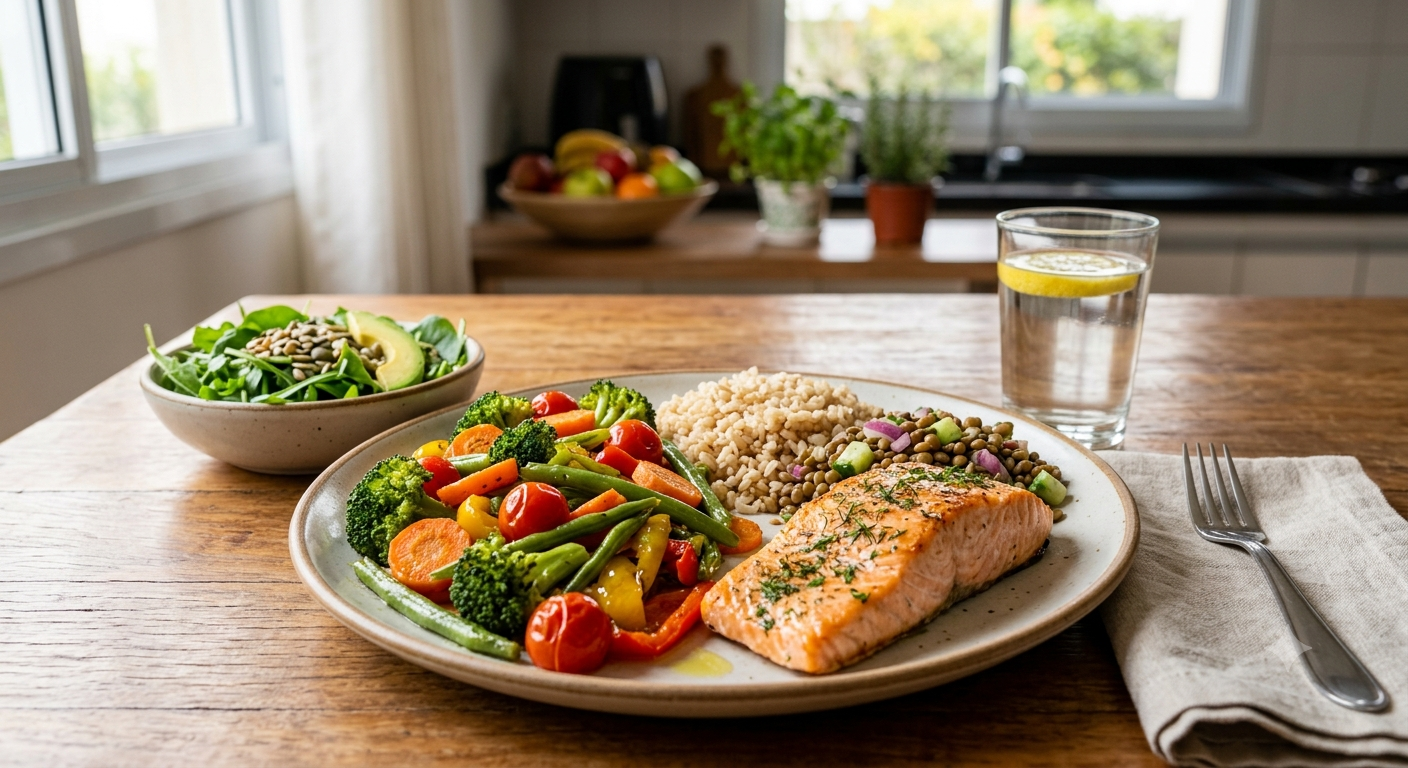
Getting enough protein is one of the most important steps older adults can take to maintain muscle mass, preserve strength, reduce the risk of falls, and support healthy aging.
As we age, our muscles become less responsive to dietary protein, a phenomenon known as anabolic resistance. Because of this, older adults generally need more protein than younger adults to maintain muscle health.
How much protein do older adults need?
Most international nutrition guidelines recommend that healthy older adults consume between 1.0 and 1.2 grams of protein per kilogram of body weight per day.
For example:
- A person weighing 60 kg (132 lb) should aim for about 60–72 g of protein daily.
- A person weighing 70 kg (154 lb) should consume approximately 70–84 g per day.
- A person weighing 80 kg (176 lb) should aim for about 80–96 g per day.
These recommendations are higher than the minimum requirements for younger adults because aging increases the body’s protein needs.
Some older adults need even more protein
Protein requirements may increase in certain situations.
Current guidelines recommend:
- 1.2 to 1.5 g/kg/day for older adults with acute or chronic illnesses, malnutrition, frailty, or increased risk of muscle loss.
- Up to 2.0 g/kg/day during severe illness, major injury, or recovery from major surgery, under medical supervision.
On the other hand, people with advanced chronic kidney disease (stages 4 and 5) may require individualized protein recommendations. In these cases, dietary planning should be guided by a physician and a registered dietitian.
Why do older adults need more protein?
Beginning around age 50 to 60, muscle mass naturally declines through a process called sarcopenia.
In addition, aging muscles become less efficient at using dietary protein to build and repair muscle tissue.
Adequate protein intake helps:
- preserve muscle mass;
- maintain strength;
- reduce the risk of falls;
- improve recovery after illness or surgery;
- support independence in daily activities;
- enhance overall quality of life.
Is it better to eat all your protein in one meal?
No.
Research suggests that spreading protein intake throughout the day stimulates muscle protein synthesis more effectively.
Many experts recommend consuming approximately 25 to 30 grams of high-quality protein at each main meal, especially breakfast, lunch, and dinner.
This approach appears to be more beneficial than eating most daily protein in a single meal.
Which foods are high in protein?
Excellent protein sources include:
- lean meat;
- fish;
- poultry;
- eggs;
- milk, yogurt, and cheese;
- beans;
- lentils;
- chickpeas;
- soy foods and soy products.
For most older adults, a balanced diet can provide enough protein to meet daily requirements.
Can whey protein help?
Yes.
Whey protein is a high-quality protein rich in essential amino acids, particularly leucine, which plays a key role in stimulating muscle protein synthesis.
It can be a practical option for older adults who:
- have a poor appetite;
- struggle to meet their daily protein goals through food alone;
- are recovering from illness;
- have sarcopenia or frailty.
Does whey protein replace healthy meals?
No.
Whey protein should be considered a supplement, not a replacement for a balanced diet.
Whenever possible, most daily protein should come from whole foods. Supplements can be helpful when dietary intake alone is insufficient.
Exercise makes protein more effective
The greatest benefits occur when adequate protein intake is combined with resistance exercise, such as weight training, resistance bands, or bodyweight exercises.
Numerous studies have shown that combining strength training with adequate protein intake is more effective for preserving muscle mass and strength than either strategy alone.
Do all older adults need whey protein?
Not necessarily.
Many older adults can meet their protein needs through a well-balanced diet.
Whey protein may be useful when dietary protein intake is insufficient, but it is not necessary for everyone.
Before starting any dietary supplement, it is advisable to consult a physician or registered dietitian to determine individual needs.
Summary of current recommendations
For most older adults:
- Consume 1.0–1.2 g of protein per kilogram of body weight each day.
- Increase intake to 1.2–1.5 g/kg/day during illness, frailty, or malnutrition.
- Spread protein intake across the main meals.
- Prioritize high-quality protein-rich foods.
- Use whey protein only when needed to help achieve daily protein goals.
- Combine adequate protein intake with regular resistance exercise.
Key takeaways
Protein is one of the most important nutrients for healthy aging. Consuming enough protein helps preserve muscle mass, maintain strength, reduce the risk of falls, and support independence later in life.
For most older adults, a balanced diet provides enough protein to meet daily needs. When dietary intake is insufficient, whey protein can be a useful supplement when used appropriately and preferably under the guidance of a healthcare professional.