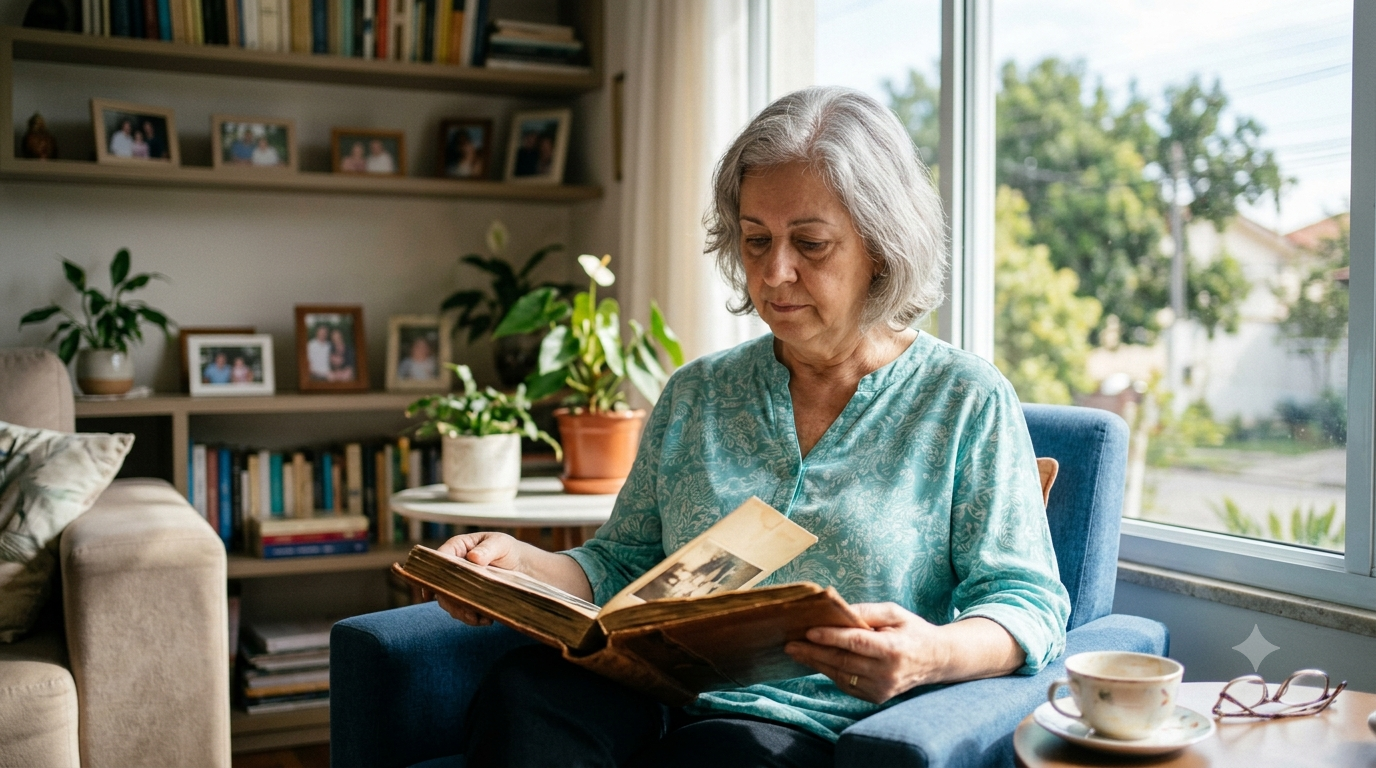
Growing older is a natural part of life. However, many people believe that aging is synonymous with disease, loss of independence, and disability. Fortunately, this is not true.
Many of the changes associated with getting older are natural and part of healthy aging. Others, however, result from diseases that can often be prevented, treated, or managed.
Understanding the difference between aging, senescence, and senility is one of the first steps toward living a longer and healthier life.
This content is for informational purposes only and does not replace personalized advice from a qualified healthcare professional.
What Is Aging?
Aging simply refers to the passage of time. It is the universal and inevitable chronological process that affects every living organism throughout life.
By itself, aging does not imply poor health, functional decline, or disease. It is a neutral concept that describes the natural progression of life over time.
In other words, everyone ages, but not everyone ages in the same way. Some people remain independent and enjoy an excellent quality of life well into old age, while others develop diseases that accelerate biological decline.
What Is Senescence?
Senescence refers to the normal physiological changes that occur as the body ages.
During this process, several changes are considered part of normal aging, including:
- gradual loss of muscle mass;
- reduced muscle strength;
- mild loss of bone density;
- decreased skin elasticity;
- slower reflexes;
- slight decline in short-term memory.
These changes usually occur gradually and, by themselves, do not prevent a person from remaining independent and active.
In other words, someone can experience senescence while continuing to enjoy good health, mobility, and quality of life.
What Is Senility?
Senility is not a normal part of aging.
Instead, it refers to age-related diseases that impair the body’s normal function.
Common examples include:
- Alzheimer’s disease;
- Parkinson’s disease;
- heart failure;
- osteoporosis with fractures;
- stroke;
- diabetes mellitus;
- certain types of cancer.
Although these conditions become more common with age, they are not inevitable consequences of growing older.
Many age-related diseases can be prevented, detected early, or successfully managed with appropriate medical care.
Aging Is Not the Same as Disease
For many years, it was widely believed that severe memory loss, difficulty walking, or dependence on others were simply unavoidable consequences of old age.
Today, we know this is a misconception.
Many people reach their 80s or 90s while maintaining good physical function, independence, and autonomy.
Likewise, younger individuals may develop age-related diseases prematurely because of unhealthy lifestyle habits.
For this reason, healthcare professionals often distinguish between two important concepts:
- Chronological age: the number of years a person has lived.
- Biological age: the actual condition and functional capacity of the body’s organs and systems.
People of the same chronological age can have remarkably different levels of health.
What Is Inflamm-Aging?
One of the most important concepts in longevity research is inflamm-aging.
The term combines the words inflammation and aging.
It describes a state of low-grade, chronic inflammation that gradually increases over time.
Unlike inflammation caused by an infection or injury, inflamm-aging usually produces no obvious symptoms. Nevertheless, this persistent inflammation can accelerate cellular aging and increase the risk of several chronic diseases.
Research has linked inflamm-aging to conditions such as:
- cardiovascular disease;
- type 2 diabetes;
- Alzheimer’s disease;
- osteoporosis;
- sarcopenia;
- certain cancers.
For this reason, reducing chronic inflammation has become a major focus of preventive medicine and healthy aging research.
What Contributes to Inflamm-Aging?
Several lifestyle and health factors promote chronic inflammation, including:
- physical inactivity;
- excess body fat, especially abdominal fat;
- diets rich in ultra-processed foods;
- smoking;
- excessive alcohol consumption;
- poor sleep;
- chronic stress;
- poorly controlled chronic diseases.
The more of these factors a person has, the faster biological aging tends to occur.
Can Aging Be Slowed Down?
Although aging cannot yet be stopped completely, scientific evidence suggests that its pace can be slowed.
Daily habits have a profound influence on the health of our cells, tissues, and organs.
The most effective strategies include:
Stay Physically Active
Regular exercise is one of the most powerful interventions for preserving muscle mass, strength, balance, cardiovascular health, and brain function.
Experts recommend combining aerobic exercise with strength training, flexibility exercises, and balance training.
Eat a Healthy Diet
A diet rich in fruits, vegetables, whole grains, lean protein, and healthy fats helps reduce inflammation and supports overall health.
At the same time, limiting ultra-processed foods, sugary drinks, and excessive added sugar is recommended.
Prioritize Good Sleep
During sleep, the body performs essential repair and recovery processes.
Poor sleep quality or insufficient sleep increases inflammation, disrupts hormones, and raises the risk of chronic diseases.
Keep Your Brain Active
Learning new skills, reading, studying, solving puzzles, and maintaining social relationships all contribute to better brain health.
Social interaction is also associated with a lower risk of depression and cognitive decline.
Manage Chronic Diseases
High blood pressure, diabetes, obesity, and high cholesterol can accelerate biological aging if left untreated.
Following your healthcare provider’s recommendations helps reduce the risk of future complications.
Avoid Smoking and Excessive Alcohol
Smoking accelerates aging throughout the body, including the skin, lungs, blood vessels, and heart.
Excessive alcohol consumption also contributes to chronic inflammation and increases the risk of several diseases.
Healthy Aging Is Possible
Today, the goal of medicine is not only to increase lifespan but also to extend healthspan—the number of years lived in good health.
Healthy aging means maintaining independence, mobility, mental function, and the ability to participate in daily activities for as long as possible.
Living longer is important, but living those extra years with good health and quality of life is even more valuable.
Frequently Asked Questions
Does everyone develop senility as they age?
No. Senility refers to age-related diseases, not to aging itself. Many people grow older while remaining healthy, independent, and active.
Is occasional forgetfulness normal?
Occasional minor memory lapses can be part of normal senescence. However, significant memory problems that interfere with daily life should always be evaluated by a healthcare professional.
Can inflamm-aging be reduced?
Yes. A healthy diet, regular exercise, quality sleep, maintaining a healthy weight, and proper management of chronic diseases can all help reduce chronic inflammation.
When should I start thinking about healthy aging?
The earlier healthy habits are adopted, the greater the long-term benefits. However, it is never too late to improve your lifestyle and support healthy aging.
Conclusion
Aging, senescence, and senility are distinct concepts, and understanding the differences helps dispel many common myths about growing older.
While senescence refers to the body’s natural physiological changes, senility describes age-related diseases that may develop over time. In addition, research has shown that chronic inflammation, known as inflamm-aging, can accelerate biological aging, but lifestyle choices can significantly influence this process.
Adopting healthy habits, managing chronic conditions, and keeping both body and mind active are among the most effective ways to increase not only lifespan but also healthspan.