Growing older is a natural part of life. However, many people believe that aging is synonymous with disease, loss of independence, and disability. Fortunately, this is not true.
Many of the changes associated with getting older are natural and part of healthy aging. Others, however, result from diseases that can often be prevented, treated, or managed.
Understanding the difference between aging, senescence, and senility is one of the first steps toward living a longer and healthier life.
This content is for informational purposes only and does not replace personalized advice from a qualified healthcare professional.
What Is Aging?
Chronological age counts time lived; ageing also involves biological changes and interaction with the environment. These processes vary between people.
Greater age alone does not describe a person’s functional ability or medical conditions. Their individual situation needs to be considered.
In other words, everyone ages, but not everyone ages in the same way. Some people remain independent and enjoy an excellent quality of life well into old age, while others develop diseases that accelerate biological decline.
What Is Senescence?
Senescence refers to the normal physiological changes that occur as the body ages.
During this process, several changes are considered part of normal aging, including:
- gradual loss of muscle mass;
- reduced muscle strength;
- mild loss of bone density;
- decreased skin elasticity;
- slower reflexes;
- slight decline in short-term memory.
These changes usually occur gradually and, by themselves, do not prevent a person from remaining independent and active.
In other words, someone can experience senescence while continuing to enjoy good health, mobility, and quality of life.
What Is Senility?
“Senility” is a historical, imprecise term and should not be used as a diagnosis for an individual. Name the observed condition or difficulty, such as a memory change or walking difficulty, and investigate its cause. Illness can occur in later life but is not an obligatory consequence of age.
Aging Is Not the Same as Disease
For many years, it was widely believed that severe memory loss, difficulty walking, or dependence on others were simply unavoidable consequences of old age.
Today, we know this is a misconception.
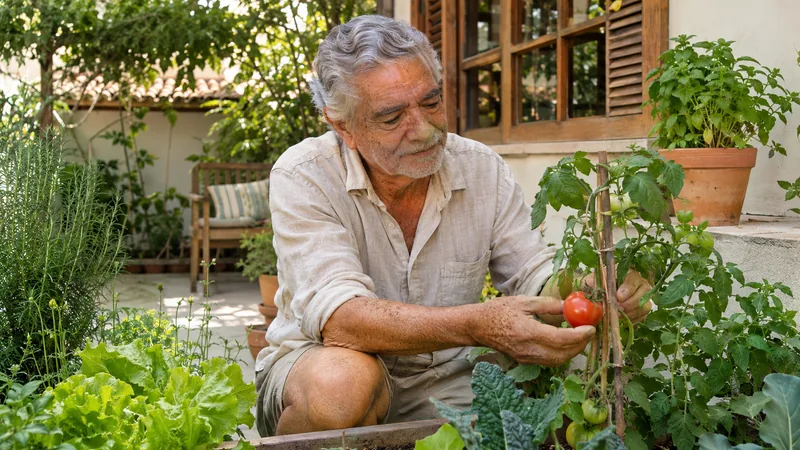
Many people reach their 80s or 90s while maintaining good physical function, independence, and autonomy.
Likewise, younger individuals may develop age-related diseases prematurely because of unhealthy lifestyle habits.
For this reason, healthcare professionals often distinguish between two important concepts:
- Chronological age: the number of years a person has lived.
- Biological age: the actual condition and functional capacity of the body’s organs and systems.
People of the same chronological age can have remarkably different levels of health.
What Is Inflamm-Aging?
One of the most important concepts in longevity research is inflamm-aging.
The term combines the words inflammation and aging.
It describes a state of low-grade, chronic inflammation that gradually increases over time.
Unlike inflammation caused by an infection or injury, inflamm-aging usually produces no obvious symptoms. Nevertheless, this persistent inflammation can accelerate cellular aging and increase the risk of several chronic diseases.
Research has linked inflamm-aging to conditions such as:
- cardiovascular disease;
- type 2 diabetes;
- Alzheimer’s disease;
- osteoporosis;
- sarcopenia;
- certain cancers.
For this reason, reducing chronic inflammation has become a major focus of preventive medicine and healthy aging research.
What Contributes to Inflamm-Aging?
Several lifestyle and health factors promote chronic inflammation, including:
- physical inactivity;
- excess body fat, especially abdominal fat;
- diets rich in ultra-processed foods;
- smoking;
- excessive alcohol consumption;
- poor sleep;
- chronic stress;
- poorly controlled chronic diseases.
The more of these factors a person has, the faster biological aging tends to occur.
Can Aging Be Slowed Down?
Although aging cannot yet be stopped completely, scientific evidence suggests that its pace can be slowed.
Daily habits have a profound influence on the health of our cells, tissues, and organs.
The most effective strategies include:
Stay Physically Active
Regular exercise is one of the most powerful interventions for preserving muscle mass, strength, balance, cardiovascular health, and brain function.
Experts recommend combining aerobic exercise with strength training, flexibility exercises, and balance training.
Eat a Healthy Diet
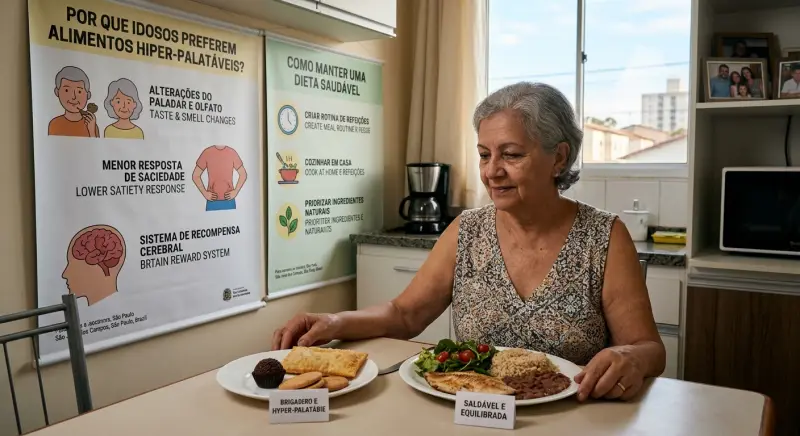
A diet rich in fruits, vegetables, whole grains, lean protein, and healthy fats helps reduce inflammation and supports overall health.
At the same time, limiting ultra-processed foods, sugary drinks, and excessive added sugar is recommended.
Prioritize Good Sleep
During sleep, the body performs essential repair and recovery processes.
Poor sleep quality or insufficient sleep increases inflammation, disrupts hormones, and raises the risk of chronic diseases.
Keep Your Brain Active
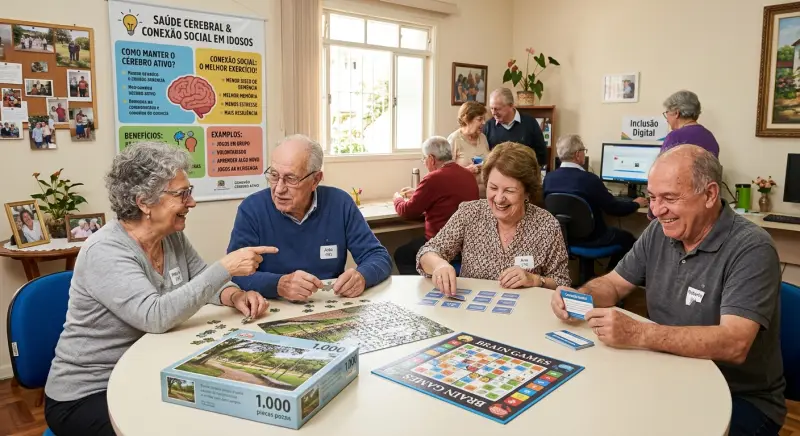
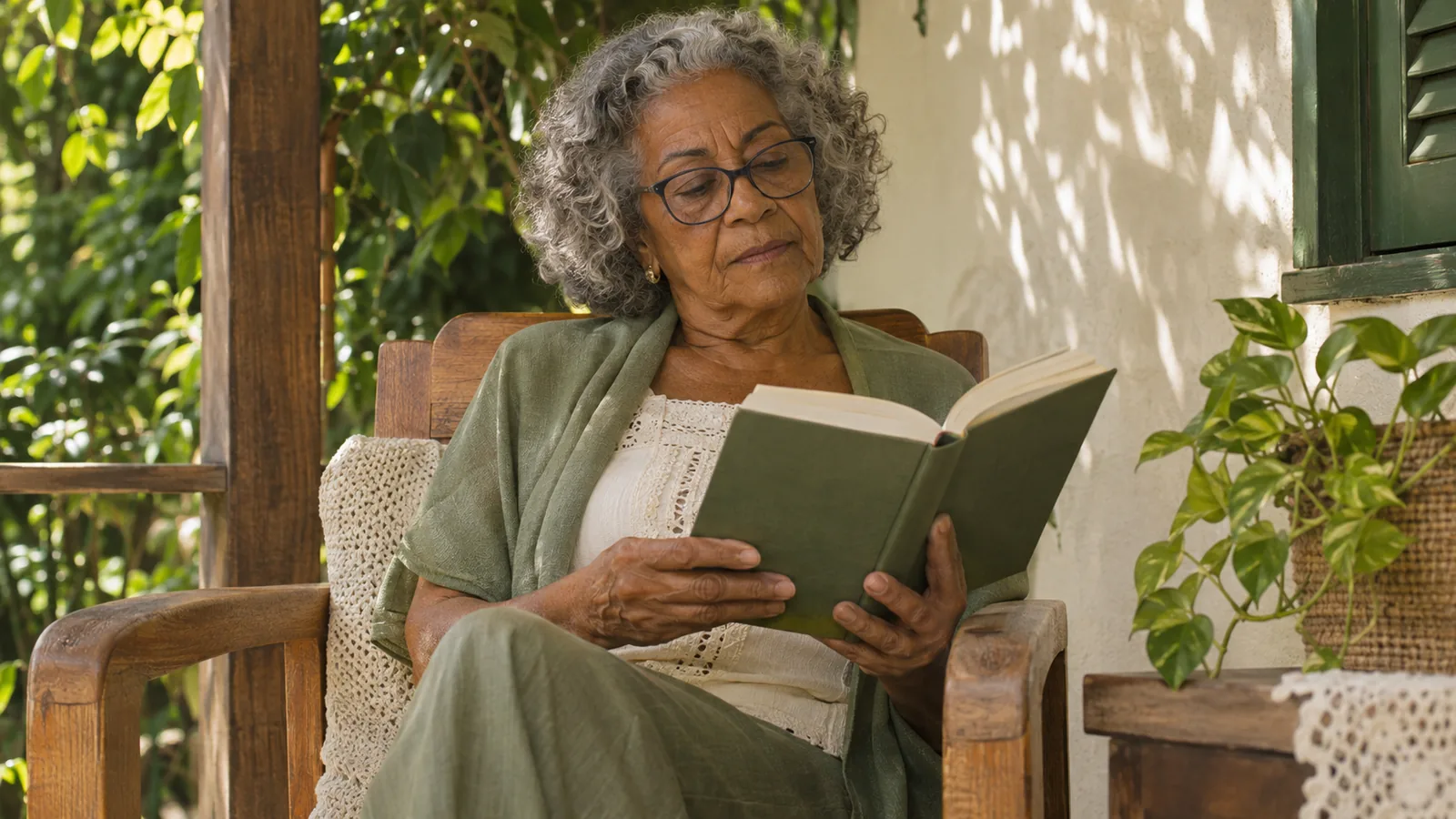
Learning new skills, reading, studying, solving puzzles, and maintaining social relationships all contribute to better brain health.
Social interaction is also associated with a lower risk of depression and cognitive decline.
Manage Chronic Diseases
High blood pressure, diabetes, obesity, and high cholesterol can accelerate biological aging if left untreated.
Following your healthcare provider’s recommendations helps reduce the risk of future complications.
Avoid Smoking and Excessive Alcohol
Smoking accelerates aging throughout the body, including the skin, lungs, blood vessels, and heart.
Excessive alcohol consumption also contributes to chronic inflammation and increases the risk of several diseases.
Healthy Aging Is Possible
Today, the goal of medicine is not only to increase lifespan but also to extend healthspan—the number of years lived in good health.
Healthy aging means maintaining independence, mobility, mental function, and the ability to participate in daily activities for as long as possible.
Living longer is important, but living those extra years with good health and quality of life is even more valuable.
Describe a change instead of labeling a person
The WHO emphasizes diversity in ageing experiences. “They are old” does not explain why a task has become difficult.
| Avoid assuming | Observe instead |
|---|---|
| “It is just age” | What changed, when it began and which task is affected. |
| “It is senility” | Which difficulty needs assessment. |
| “An anti-ageing product is needed” | The concrete goal and evidence for an intervention. |
Research concepts such as cellular senescence and inflamm-ageing do not establish an individual diagnosis or treatment. For memory concerns, see cognitive changes.
Conclusion
Aging, senescence, and senility are distinct concepts, and understanding the differences helps dispel many common myths about growing older.
While senescence refers to the body’s natural physiological changes, senility describes age-related diseases that may develop over time. In addition, research has shown that chronic inflammation, known as inflamm-aging, can accelerate biological aging, but lifestyle choices can significantly influence this process.
Adopting healthy habits, managing chronic conditions, and keeping both body and mind active are among the most effective ways to increase not only lifespan but also healthspan.