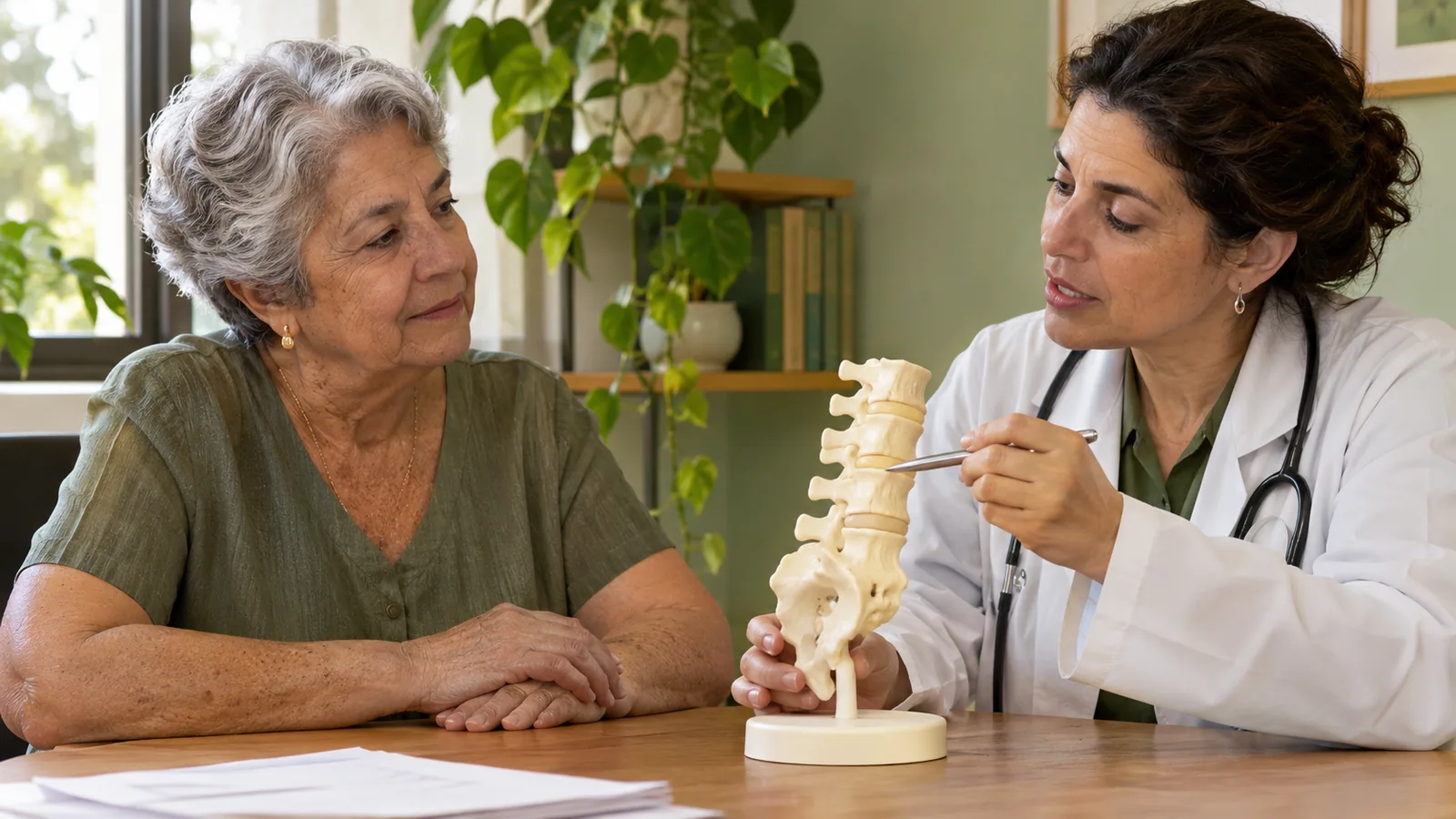
Osteoporosis is a condition that weakens bones, making them more fragile and more likely to break. It is especially common among older adults and is one of the leading causes of fractures, loss of independence, hospitalization, and reduced quality of life.
Although many people discover they have osteoporosis only after suffering a fracture, there are several effective ways to prevent bone loss and significantly reduce the risk of broken bones.
In this article, you’ll learn how to prevent osteoporosis, when treatment is recommended, and the most effective therapies currently available.
This content is for informational purposes only and does not replace personalized advice from a qualified healthcare professional.
What Is Osteoporosis?
Osteoporosis is a disease characterized by reduced bone density and deterioration of bone quality.
As we age, it is normal to lose some bone mass. However, when bone loss becomes excessive, bones become weak enough to fracture after a minor fall—or sometimes even without significant trauma.
The most common osteoporosis-related fractures occur in the:
- Hip
- Spine (vertebrae)
- Wrist
- Upper arm (humerus)
Hip fractures deserve special attention because they can permanently affect mobility and independence in older adults.
Who Is at Higher Risk of Osteoporosis?
Several factors increase the risk of developing osteoporosis.
The most important include:
- Older age
- Female sex after menopause
- Family history of osteoporosis
- Low body weight
- Smoking
- Excessive alcohol consumption
- Physical inactivity
- Low calcium and vitamin D intake
- Long-term corticosteroid use (such as prednisone)
- Certain hormonal, kidney, and gastrointestinal disorders
How Can Osteoporosis Be Prevented?
Prevention should begin long before osteoporosis develops and remains important even after diagnosis.
Eat a Calcium-Rich Diet
Calcium is the primary mineral that gives bones their strength.
Good dietary sources include:
- Milk
- Yogurt
- Cheese
- Broccoli
- Kale
- Other dark leafy green vegetables
If dietary calcium intake is insufficient, your healthcare provider may recommend calcium supplements.
As a US nutritional reference, the NIH lists 1,200 mg of calcium per day for women aged 51 and over, including food and supplements. This total is not an instruction to take a 1,200 mg tablet: whether supplementation is needed depends on dietary intake and individual assessment.
Maintain Adequate Vitamin D Levels
Vitamin D is essential because it allows the body to absorb calcium efficiently.
Vitamin D deficiency is common among older adults, particularly those who spend little time outdoors or have chronic medical conditions.
When necessary, your healthcare provider may recommend vitamin D supplementation based on your individual needs.
Exercise Regularly
Regular physical activity is one of the most effective ways to preserve bone strength.
Recommended exercises include:
- Walking
- Strength training
- Resistance band exercises
- Balance exercises
- Functional training
Exercise not only helps maintain bone density but also improves muscle strength, balance, and coordination, reducing the risk of falls.
Experts generally recommend at least 30 minutes of exercise three times per week, or as advised by your healthcare provider.
Don’t Smoke
Smoking accelerates bone loss and significantly increases the risk of fractures.
Quitting smoking benefits not only bone health but also overall health.
Limit Alcohol Intake
Drinking more than two alcoholic beverages per day is associated with an increased risk of osteoporosis and fractures.
How Can Older Adults Prevent Falls?
Many osteoporosis-related fractures occur after falls at home.
Simple measures can substantially reduce this risk:
- Remove loose rugs
- Keep electrical cords organized
- Improve home lighting
- Install grab bars in bathrooms
- Wear non-slip shoes
- Have regular eye examinations
- Review your medications with your healthcare provider, as some medicines may increase the risk of falling
When Is Medication Recommended?
Not everyone with low bone density requires medication.
Drug treatment is generally recommended for:
- People diagnosed with osteoporosis by bone density (DXA) testing
- Individuals who have already experienced a fragility fracture
- People at high risk of fractures over the coming years
- Some individuals with osteopenia who have a high calculated fracture risk
Treatment decisions should always be individualized after medical evaluation.
Which Medications Are Used to Treat Osteoporosis?
Several medications have been proven to reduce fracture risk.
Bisphosphonates
Bisphosphonates are considered the first-line treatment for most people with osteoporosis.
Common examples include:
- Alendronate
- Risedronate
- Zoledronic acid
These medications significantly reduce the risk of hip and spine fractures.
Alendronate and risedronate are taken orally, while zoledronic acid is administered intravenously, usually once a year.
Denosumab
Denosumab is given as a subcutaneous injection every six months.
It is often prescribed for people who cannot take bisphosphonates or who have a particularly high risk of fractures.
It is important not to stop denosumab without medical supervision, as discontinuation may lead to rapid bone loss and an increased risk of vertebral fractures.
Bone-Building Medications
For people with severe osteoporosis or a very high fracture risk, medications that stimulate new bone formation may be recommended.
These include:
- Teriparatide
- Abaloparatide
- Romosozumab
These therapies are generally reserved for selected patients and should be managed by specialists.
Do Osteoporosis Medications Have Side Effects?
Like all medications, osteoporosis treatments can cause side effects.
Fortunately, serious complications are uncommon, and for people at high risk of fractures, the benefits of treatment generally outweigh the potential risks.
Your healthcare provider will monitor your response to therapy and assess for any adverse effects during follow-up visits.
How Is Treatment Monitored?
Regular medical follow-up is important to evaluate how well treatment is working.
Many people undergo repeat bone density (DXA) testing after a few years to assess whether bone density has stabilized or improved.
Depending on the medication prescribed and your overall health, blood tests may also be recommended.
Prepare for bone-health follow-up
The NIAMS guidance notes that osteoporosis may have no symptoms before a fracture. Bring previous tests and report fractures after minor falls, corticosteroid use and any noticed loss of height.
Before leaving an appointment, ask which outcome will be monitored, how to take a prescribed medicine and what to do about a missed dose or an interruption. Do not change medication on your own. Prevention also includes home fall hazards and understanding vitamin D.
Conclusion
Osteoporosis is a common condition associated with aging, but its complications are not inevitable. A healthy diet, adequate calcium and vitamin D intake, regular exercise, smoking cessation, and fall prevention are essential strategies for maintaining strong bones.
For people at high risk of fractures, modern osteoporosis medications can substantially reduce the likelihood of future fractures and help maintain independence. Early diagnosis and appropriate medical follow-up remain the best ways to protect bone health throughout older age.