Regular physical activity is one of the most effective ways to promote healthy aging. It helps maintain strength, balance, independence, and quality of life while reducing the risk of chronic diseases, falls, and premature death.
But how much exercise should older adults get each week?
According to the leading international guidelines, the answer is simpler than you might think.
This content is informational and does not replace individual advice from a physician, physical therapist, or qualified exercise professional.
How Much Exercise Should Older Adults Get?
For most older adults, the recommendation is:
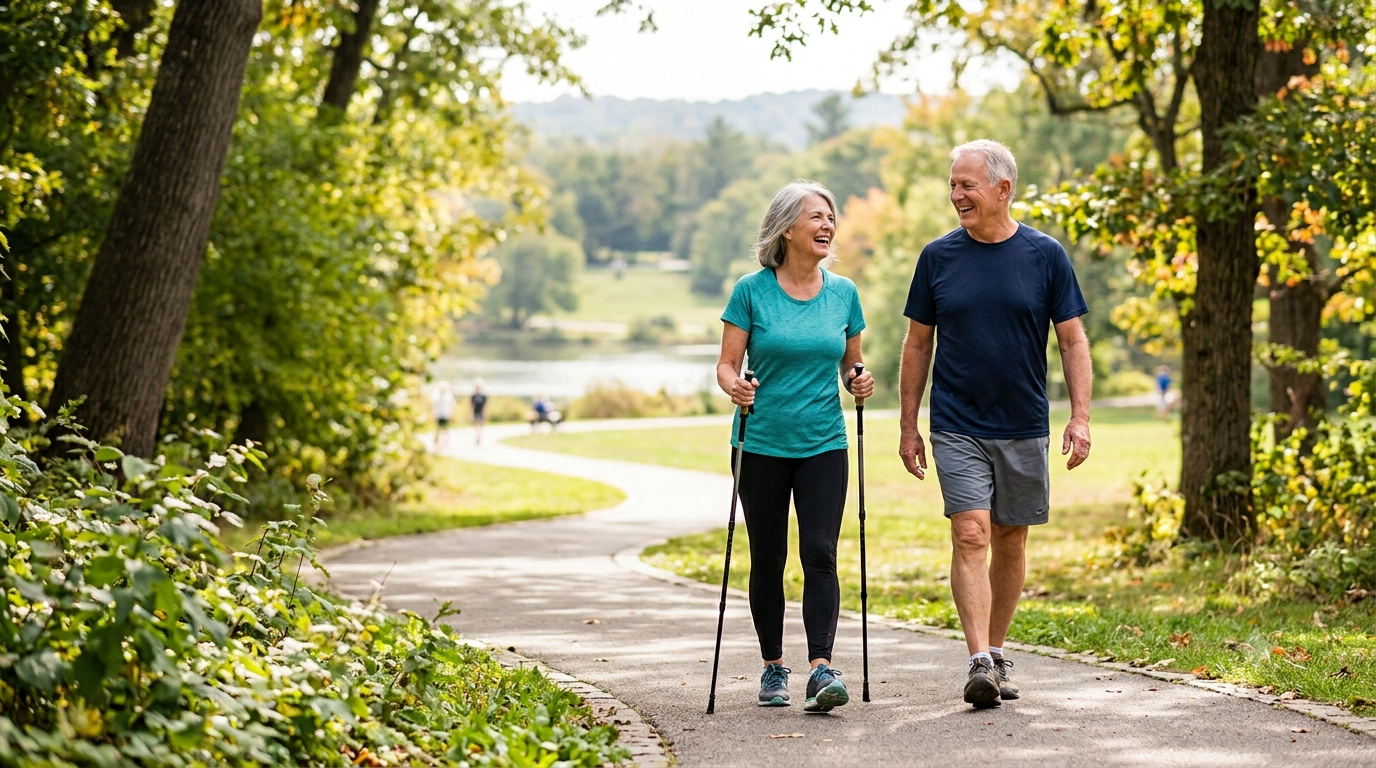
- 150 to 300 minutes of moderate-intensity aerobic activity per week, such as brisk walking, leisurely cycling, water aerobics, or dancing;
or
- 75 to 150 minutes of vigorous-intensity aerobic activity per week, such as running, lap swimming, or fast cycling.
These activities can be spread throughout the week. For example, 30 minutes of walking five days a week is enough to meet the minimum recommendation.
If exercising for 30 minutes at a time is difficult, you can divide it into shorter sessions, such as three 10-minute walks throughout the day.
What Is Moderate-Intensity Exercise?
Moderate-intensity exercise increases your breathing and heart rate, but you can still carry on a conversation while exercising.
Examples include:
- brisk walking;
- water aerobics;
- dancing;
- cycling at a comfortable pace;
- vigorous gardening.
During vigorous exercise, talking becomes much more difficult because of the higher level of effort.
Is Walking Enough?
Walking is an excellent form of exercise and provides many health benefits.
However, it should not be the only type of exercise, especially after the age of 60.
As we age, we naturally lose muscle mass, strength, and balance. For this reason, current guidelines recommend combining different types of physical activity.
Strength Training Is Also Essential
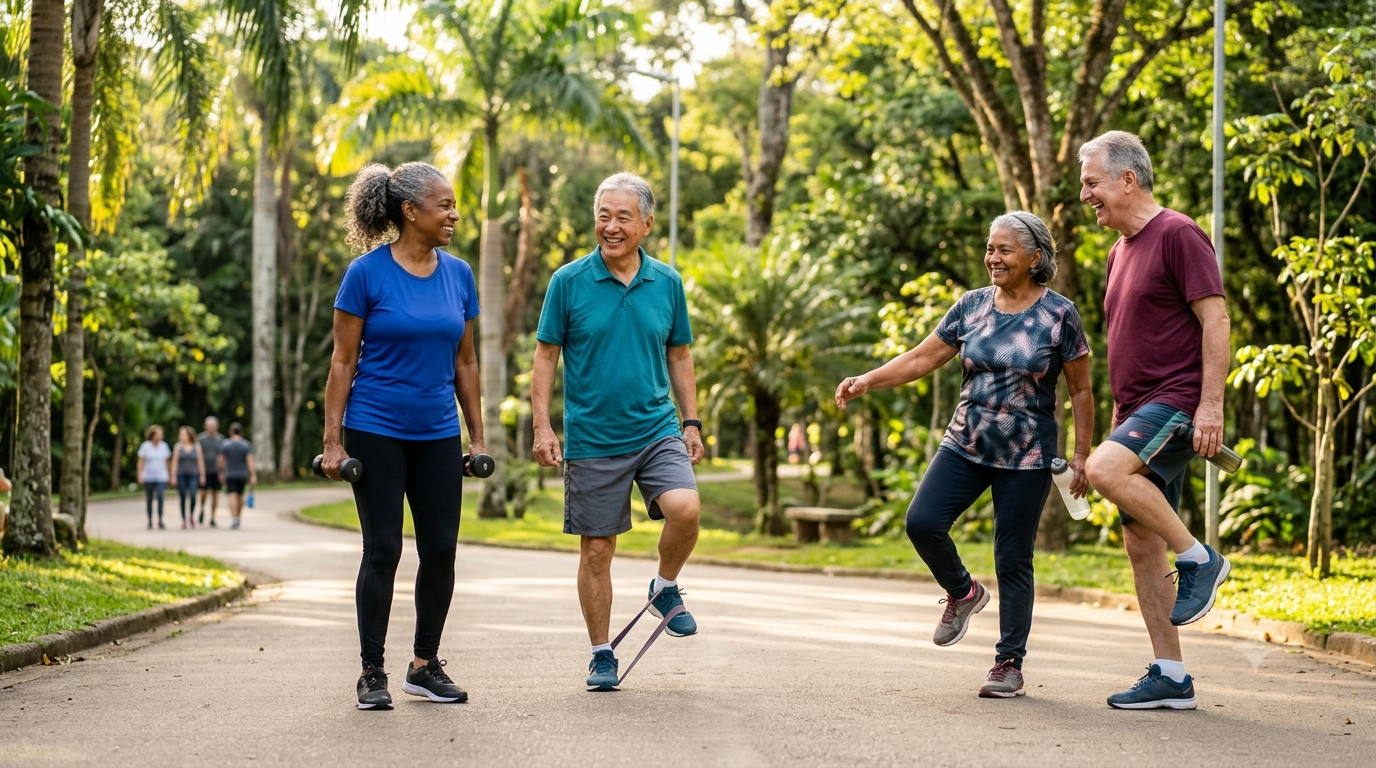
In addition to aerobic exercise, muscle-strengthening activities should be performed at least twice a week.
These exercises should target all major muscle groups and may include:
- weight machines;
- free weights;
- resistance bands;
- bodyweight exercises, such as repeatedly sitting down and standing up from a chair.
Strength training helps:
- preserve muscle mass;
- increase strength;
- protect bone health;
- improve balance;
- make everyday activities, such as climbing stairs and carrying groceries, easier.
Don’t Forget Balance Exercises
Falls are one of the leading causes of loss of independence among older adults.
For this reason, experts recommend balance exercises at least three times per week, particularly for people at increased risk of falling.
Examples include:
- Tai Chi;
- standing on one foot;
- walking heel-to-toe in a straight line;
- repeatedly sitting down and standing up from a chair without using your hands;
- balance exercises supervised by a physical therapist or exercise professional.
These activities improve stability and help reduce the risk of falls and fractures.
Stretching Matters Too
Flexibility exercises help maintain joint mobility and make everyday tasks—such as getting dressed or reaching overhead—easier.
The recommendation is to stretch at least twice a week, preferably after warming up or at the end of your workout, when your muscles are already warm.
What If You Have Medical Conditions or Physical Limitations?
Not every older adult is able to achieve the recommended 150 minutes of exercise each week.
In these situations, the advice is simple: be as physically active as your abilities and health conditions allow.
Even small amounts of physical activity provide meaningful health benefits.
For people with mobility limitations, suitable options include:
- walking indoors;
- chair-based exercises;
- range-of-motion exercises;
- stretching;
- adapted yoga;
- physical therapy.
The most important goal is to avoid prolonged periods of sitting or lying down whenever it is safe to move.
Do You Need Medical Tests Before Starting?
In most cases, no.
People without symptoms do not need an electrocardiogram (ECG) or an exercise stress test simply to begin a physical activity program.
However, anyone with symptoms such as chest pain, significant shortness of breath, dizziness, or palpitations should seek medical evaluation before engaging in more vigorous exercise.
Likewise, people with heart, lung, kidney, or metabolic diseases may benefit from individualized medical advice.
What Are the Benefits of Exercise for Older Adults?
Regular physical activity is associated with numerous health benefits, including:
- lower risk of cardiovascular disease;
- lower blood pressure;
- improved diabetes management;
- preservation of muscle mass;
- stronger bones;
- better balance;
- reduced risk of falls and fractures;
- improved memory and mental health;
- greater independence in daily activities;
- lower risk of premature death.
Beyond the physical benefits, participating in walking groups, fitness classes, water aerobics, or community exercise programs also promotes social interaction, which is important for emotional well-being as we age.
The Most Important Step Is to Get Started
Many people believe that only long or intense workouts produce meaningful results. That isn’t true.
The greatest health benefits occur when someone moves from being sedentary to becoming physically active.
Even a few minutes of walking each day is an important first step.
Over time, you can gradually increase the duration and intensity of your exercise while respecting your individual abilities and, when appropriate, seeking guidance from a healthcare professional.
Final Takeaway
You don’t have to be an athlete to age well. The most important thing is to stay physically active on a regular basis. Small changes to your daily routine, when maintained over time, can bring significant benefits to your health, independence, and quality of life.